
Training archive
On-Page SEO: Tips for Optimizing Your Content and HTML
On-page SEO is a set of techniques aimed at the optimization of a single page of the website to increase its relevance to the specific query and its ranking in the search results.
On-page SEO is a set of techniques aimed at the optimization of a single page of the website to increase its relevance to the specific query and its ranking in the search results. In this way, you can improve the overall SEO of your pages and their HTML elements to increase the amount of targeted traffic to your site. In this article, I will be sharing with you some of the most important on-page SEO techniques that you can use in order to ensure that your content and HTML code is search engine friendly.
Craft Compelling Titles and Meta Descriptions
Title tag and meta description are the two most important parts of on-page SEO. The title tag should be short, informative and should contain the keyword that you want to target. Make it as short as possible, ideally, under 60 characters to prevent search result snippets from being cut off. The meta description should be a brief and interesting description of the page content to make the users want to click on the link. Ensure that you include your main keyword and the message you want to convey should not be more than 150-160 characters.
Use Relevant Keywords Strategically
On-page optimization is a process of optimizing the website and its content for search engines, and using keywords is crucial in this case. Do a proper keyword research to determine the terms and phrases that are relevant to your content and which will interest your target audience. Your primary keyword should be used in the first 100 words of your content and then used again in the content several times. Do not stuff your content with keywords as this will negatively affect your ranking as well as user experience.
Organize Content with Headings
Using headings in your content makes it easier for the users and search engines to comprehend the organization of information within your page. Format your title with the H1 tag, and then use H2 and H3 tags for subheadings. Make sure that the subtopics that you have used in your text are relevant to the topic of the section they are in and include keywords when possible.
Optimize Images and Media
It is also important to include images and other media to make your content more interesting and appealing to the users. However, if not optimized they can also lead to slow page load times. Optimize your images to make them smaller in size but with the same quality. It is recommended to use meaningful names for files and add alt text to make the content of the file easily understandable to the search engines and people with disabilities.
Improve Page Load Speed
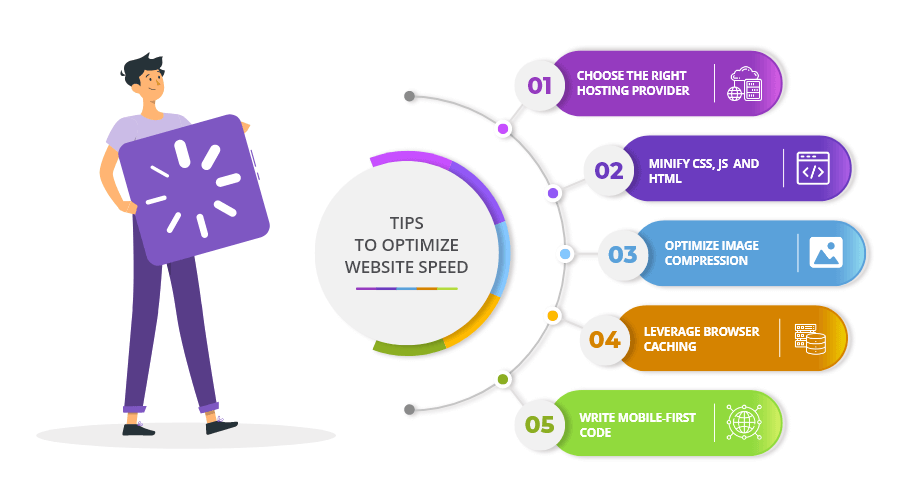
The time it takes for a page to load is an important factor of the user experience as well as on-page SEO. A page that takes time to load will result to high bounce rates and this is not good for your ranking. Improve your page by reducing the number of HTTP requests, enabling caching on the browser and compressing the files. Tools like Google PageSpeed Insights will help you determine the speed of your page and which parts of it need optimization.
Implement Internal Linking
Internal linking is useful in helping search engines to crawl through your website and also understand the flow of your website and how the pages are related while at the same time passing link juice to other pages. It is advisable to link to other pages within your content using anchor text that has the target keywords incorporated in it. This not only enhances the crawling of your website by search engine crawlers but also makes users to navigate more within your site.
Ensure Mobile Responsiveness

In the current world where people use their mobile devices to browse through the internet, it is crucial to optimize for on-page SEO through having a mobile-friendly website. Integrate the use of fluid layouts to make your pages adjust to any screen size that is used to view them. To check if your pages are compliant, use Google’s Mobile Friendly Test to check for and rectify any problems.
Monitor and Refine Your Strategies
On-page SEO is a process that is never complete and must be constantly checked and adjusted. Google Analytics and Google Search Console are great tools that can help you monitor your page’s traffic, engagement, and the keywords that are ranking for your page. The above data should be evaluated in order to determine the possible areas that need to be enhanced and make sound decisions concerning future enhancement strategies.
Conclusion
On-page SEO is an important element of any SEO strategy that is used to optimize the website for search engines. This way you can make your content and HTML elements more relevant and visible to the search engines and thus get higher ranking. Follow these guidelines to create effective titles and meta descriptions, incorporate keywords into the content, use headings, optimize images and other media, work on page speed, use internal linking, and make your site mobile-friendly. As mentioned earlier, on-page SEO is a continuous process, so it is crucial to keep on checking and modifying the strategies to achieve the best results.